
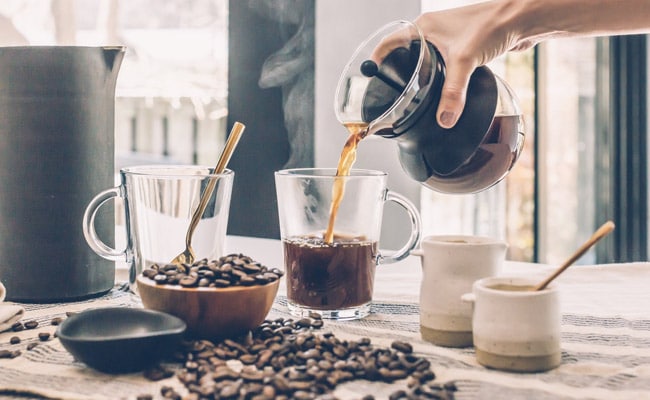
Sure! Here’s a 50-word introduction for your article about coffee on your blog One Coffee, with key phrases emphasized using HTML tags:
Welcome to One Coffee! In this article, we’ll delve into the fascinating world of coffee and explore its history, types, brewing methods, and health benefits. Whether you’re a connoisseur or simply a coffee lover, join us on this journey to discover the perfect cup of java. Let’s awaken our senses and appreciate the wonders of this beloved beverage.
The Ultimate Guide to Brewing the Perfect Cup of Coffee
The Ultimate Guide to Brewing the Perfect Cup of Coffee
1. Choosing the Right Beans: Quality beans are the foundation for a great cup of coffee. Look for beans that are freshly roasted and sourced from reputable coffee growers.
2. Grinding the Beans: Invest in a good coffee grinder to ensure consistent and even grinding. This helps to extract maximum flavor from the beans. Remember, the finer the grind, the stronger the coffee will be.
3. Water Temperature: Heat fresh, filtered water to about 195-205°F (90-96°C) for best results. Water that is too hot can lead to over-extraction, while water that is too cold will result in under-extraction.
4. The Coffee-to-Water Ratio: A general rule of thumb is to use 1 to 2 tablespoons of coffee for every 6 ounces (180 milliliters) of water. Adjust this ratio based on your personal preference.
5. Brewing Methods: There are various brewing methods to choose from, such as pour-over, french press, espresso, and single-serve machines. Each method has its own unique characteristics and flavors, so find one that suits your taste.
6. Brew Time: The optimal brew time depends on the brewing method you choose. Typically, it ranges from 2 to 5 minutes. Avoid over-extraction by following the recommended brew time for your chosen method.
7. Experiment with Variables: Don’t be afraid to experiment with grind size, brewing time, and coffee-to-water ratio to find the perfect balance and flavor profile that suits your palate.
8. Enjoy Freshly Brewed Coffee: Coffee is best enjoyed immediately after brewing. Avoid leaving it on a hot plate or in a thermal carafe for too long, as it can lead to a decline in flavor and aroma.
By following these tips, you’ll be well on your way to brewing the perfect cup of coffee every time. Happy brewing!
Preguntas Frecuentes
What are the different types of coffee beans?
The different types of coffee beans can be classified into two main categories: Arabica and Robusta. Arabica beans are known for their delicate flavors, pleasant acidity, and wide range of aromas. They are typically grown at higher altitudes and require specific conditions to thrive. On the other hand, Robusta beans are more resilient and have a stronger, bitter taste. They contain a higher caffeine content and are often used in espresso blends for their crema-producing properties.
How is coffee decaffeinated?
Coffee is decaffeinated using one of three main methods:
1. Solvent-based method: Green coffee beans are soaked in a solvent, such as ethyl acetate or methylene chloride, which extracts the caffeine. The solvent is then removed, leaving behind decaffeinated coffee beans.
2. Carbon dioxide (CO2) method: Green coffee beans are exposed to highly pressurized carbon dioxide, which acts as a solvent and removes the caffeine. The CO2 is then depressurized, allowing the caffeine to be separated from the solvent and leaving behind decaffeinated coffee beans.
3. Swiss water method: This method uses only water and osmosis to remove caffeine. Green coffee beans are soaked in hot water, which dissolves caffeine and other compounds. The water is then passed through an activated charcoal filter that captures the caffeine molecules. The resulting solution, known as “flavor-charged water,” is used to decaffeinate a new batch of green coffee beans, while preserving the flavor compounds. This process is repeated until the beans are 99.9% caffeine-free.
These methods vary in terms of their impact on flavor and environmental sustainability, and each has its own set of advantages and disadvantages.
What is the ideal brewing temperature for coffee?
The ideal brewing temperature for coffee is between 195°F to 205°F (90°C to 96°C).
In conclusion, coffee is not just a beverage; it is a cultural phenomenon that has captivated people around the world. Its rich aroma and bold flavors make it a beloved companion for starting the day or taking a break. From espresso to cappuccino, from latte art to single origin beans, the world of coffee offers a plethora of options to explore and enjoy. Whether you prefer to savor a cup at a cozy café or brew your own at home, coffee has a way of bringing people together and igniting conversation. So, raise your mug and toast to the marvelous journey of discovering the wonders of coffee. Cheers!