
One Coffee presents an insightful article on Climate-resistant coffee production. Discover innovative techniques and solutions for cultivating coffee beans that can withstand the challenges of a changing climate. Learn how farmers are adapting their practices to ensure the sustainability and quality of our beloved brew.
Exploring Sustainable Strategies for Climate-Resilient Coffee Cultivation
Exploring Sustainable Strategies for Climate-Resilient Coffee Cultivation
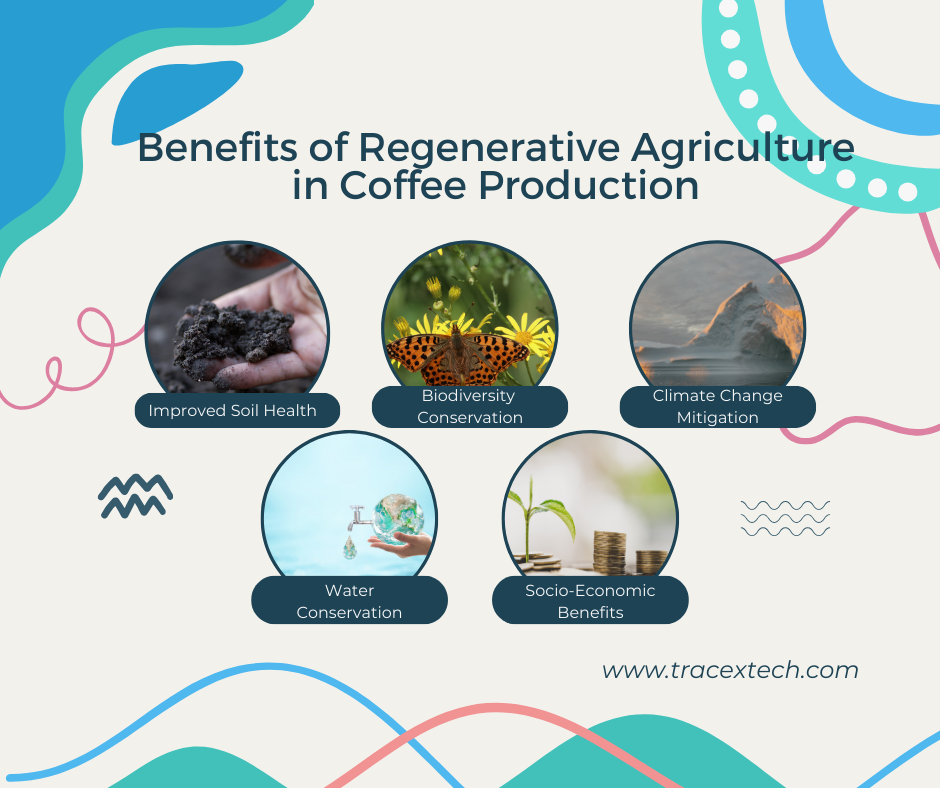
Climate change is a pressing issue affecting coffee cultivation worldwide. As temperatures rise and weather patterns become more unpredictable, it is crucial for coffee farmers to adopt sustainable practices that enhance the resilience of their crops. Sustainable strategies such as agroforestry, water management, and soil conservation play a key role in mitigating the impact of climate change on coffee production.
One important aspect of climate-resilient coffee cultivation is agroforestry. By growing coffee under shade trees, farmers can protect their crops from extreme temperatures and reduce the risk of damage from severe weather events. Shade trees also provide habitats for birds and other wildlife, promoting biodiversity on coffee farms.
Proper water management is essential for ensuring the long-term sustainability of coffee cultivation. With changing rainfall patterns and increased periods of drought, farmers must implement practices such as rainwater harvesting, drip irrigation, and water recycling to conserve water resources and maintain healthy coffee plants.
Soil conservation is another critical component of climate-resilient coffee cultivation. Healthy soils are essential for plant growth and resilience to climate change. Farmers can implement techniques like cover cropping, composting, and erosion control measures to prevent soil degradation and maintain soil fertility for sustainable coffee production.
In conclusion, exploring sustainable strategies for climate-resilient coffee cultivation is essential for the long-term viability of the coffee industry. By adopting practices that promote environmental stewardship and resilience to climate change, farmers can ensure the future sustainability of their coffee crops.
Frequent Questions
What are some strategies for implementing climate-resilient practices in coffee production?
Planting shade trees, implementing water management practices, using cover crops, and adopting organic farming methods are some strategies for implementing climate-resilient practices in coffee production.
How can climate change impact the quality and quantity of coffee production?
Climate change can impact the quality and quantity of coffee production by altering temperatures, rainfall patterns, and increasing the prevalence of pests and diseases.
Are there specific varieties of coffee plants that are more resistant to extreme weather conditions caused by climate change?
Yes, some coffee varieties, such as Ruiru 11 and Sarchimor, are known to be more resistant to extreme weather conditions caused by climate change.
In conclusion, implementing climate-resilient practices in coffee production is essential for ensuring the future sustainability of the industry. By embracing innovation, supporting farmers in adopting new techniques, and investing in research for climate-resistant coffee varieties, we can mitigate the impacts of climate change and secure a thriving future for coffee cultivation worldwide. It is imperative that stakeholders across the coffee supply chain work collaboratively to address these challenges and build a more sustainable coffee sector for generations to come.