
Sure! Here is a brief introduction for your blog post on the impact of climate change on coffee-producing regions:
Climate change poses a significant threat to the coffee industry, affecting production and quality in key growing regions. Join us as we explore the challenges faced by coffee farmers and the solutions being implemented to ensure a sustainable future for our beloved brew.
Understanding the Threat: How Climate Change is Affecting Coffee-Growing Regions
Understanding the Threat: How Climate Change is Affecting Coffee-Growing Regions
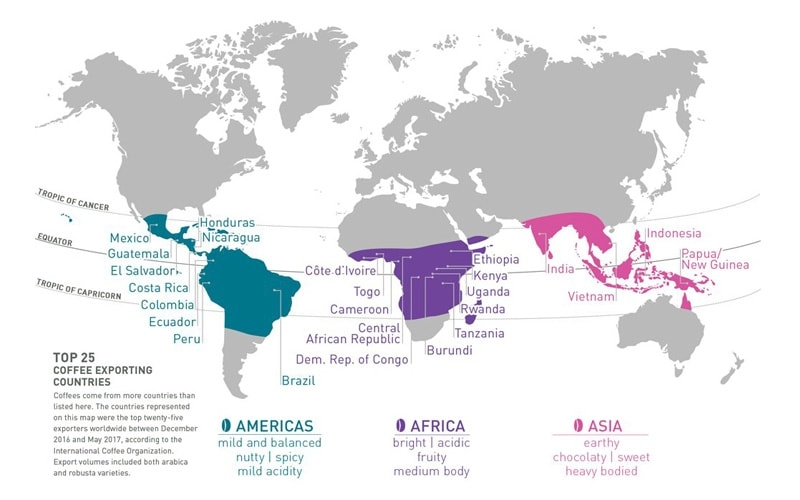
Climate change poses a significant threat to coffee-growing regions around the world. Rising temperatures, shifting rainfall patterns, and increased incidence of pests and diseases are all having a significant impact on coffee production.
Understanding these threats is crucial for the long-term sustainability of the coffee industry. Farmers, researchers, and policymakers must work together to develop strategies to mitigate the effects of climate change and ensure the future of coffee production.
By understanding the threat that climate change poses to coffee-growing regions, we can take action to protect this important crop and the livelihoods of the millions of people who depend on it.
Frequent Questions
What are some ways that climate change is affecting coffee production in different regions?
Climate change is affecting coffee production in different regions by causing shifts in temperature and precipitation patterns, leading to altered growing conditions, increased prevalence of pests and diseases, and reduced yields.
How are coffee farmers adapting to the changing climate in coffee-producing areas?
Coffee farmers are adapting to the changing climate in coffee-producing areas by implementing sustainable crop management practices, planting shade trees to protect the coffee plants from extreme weather conditions, and exploring resilient coffee varietals that are more tolerant to heat and diseases.
What are the potential long-term consequences of climate change on the quality and quantity of coffee harvested worldwide?
The potential long-term consequences of climate change on the quality and quantity of coffee harvested worldwide include increased pest and disease outbreaks, shifts in suitable growing regions, reduced crop yields, and decreased flavor and aroma in the coffee beans.
In conclusion, it is evident that climate change poses a significant threat to coffee-producing regions around the world. The unpredictable weather patterns, rising temperatures, and increased incidence of pests and diseases are already impacting coffee cultivation. It is imperative that stakeholders in the coffee industry, including producers, governments, and consumers, take action to mitigate these effects and adapt to a changing climate in order to secure the future of our beloved beverage. Only through collaboration and sustainable practices can we hope to protect the livelihoods of coffee farmers and the quality of coffee for generations to come.