
One Coffee’s new article explores the diverse coffee cultures around the world. Discover the rich flavors and brewing techniques of coffee in different countries and awaken your senses to a global caffeine journey.
Exploring the Global Coffee Culture: A Delicious Journey through Different Countries
Exploring the Global Coffee Culture: A Delicious Journey through Different Countries.
Coffee is a beloved beverage enjoyed by people all around the world. From the bustling cafes of Italy to the traditional tea houses of Japan, the global coffee culture is diverse and fascinating. Each country has its own unique way of preparing and consuming coffee, making it an exciting exploration for coffee lovers.
Italy, the birthplace of espresso, has a rich coffee culture that revolves around socializing and savoring the moment. Italians take their coffee seriously and prefer small, strong shots of espresso that are often enjoyed while standing at the bar. The iconic cappuccino, a combination of espresso and steamed milk, is a popular choice for breakfast.
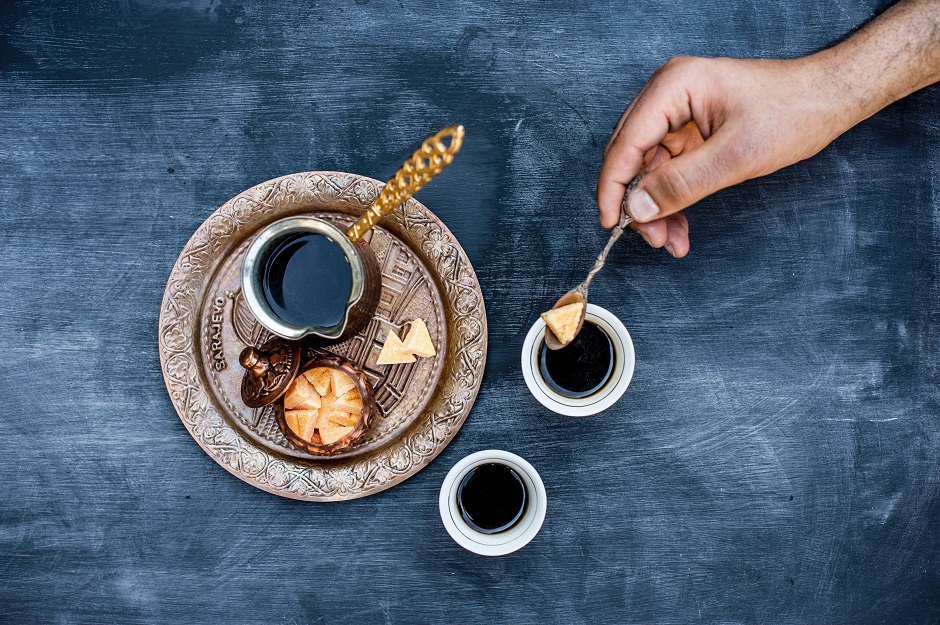
In Turkey, coffee holds a special place in the culture and is often prepared using a traditional brewing method called “Turkish coffee.” The coffee is ground into a fine powder and boiled in a special pot called a cezve. It is served in small cups, accompanied by Turkish delight or other sweets.
The United States has a thriving coffee culture with a wide variety of coffee options available. From specialty coffee shops to fast-food chains, Americans enjoy their daily dose of caffeine in various forms, such as lattes, cappuccinos, and cold brews. The coffee-to-go culture is prominent, with many people grabbing a cup of joe on their way to work.
In Ethiopia, coffee has a long history and is deeply ingrained in the culture. Ethiopians have their own unique coffee ceremony, where coffee is roasted, ground, and brewed in front of guests. The aromatic coffee is served in small cups and accompanied by traditional snacks like popcorn or bread.
Japan has a distinct coffee culture that combines traditional tea ceremonies with a love for specialty coffee. Japanese coffee shops often focus on meticulous preparation methods, such as pour-over or siphon brewing. These shops provide a tranquil and serene environment for coffee enthusiasts to enjoy their cup of joe.
Colombia, known for its high-quality coffee beans, has a vibrant coffee culture that celebrates the country’s coffee production. Colombians prefer to drink their coffee strong and black, often brewed using a traditional coffee pot called a “cafetera.” Coffee farms in Colombia also offer tours and experiences for visitors to learn about the coffee-making process firsthand.
Exploring the global coffee culture is a delicious journey that allows us to appreciate the diverse flavors, traditions, and rituals associated with this beloved beverage. Whether it’s enjoying an espresso in Italy or participating in a traditional coffee ceremony in Ethiopia, coffee connects people and cultures all over the world. So grab your favorite mug, embark on this caffeine-filled adventure, and savor the rich flavors of the global coffee culture.
Preguntas Frecuentes
What are some popular coffee varieties in different countries?
Some popular coffee varieties in different countries include:
- Brazil: Arabica and Robusta
- Colombia: Arabica
- Ethiopia: Yirgacheffe, Sidamo, and Harrar
- Costa Rica: Tarrazú and Tres Ríos
- Jamaica: Blue Mountain
- Italy: Espresso
- Vietnam: Robusta
- Yemen: Mocha
- Turkey: Turkish coffee
- Guatemala: Antigua
How does the coffee drinking culture vary around the world?
The coffee drinking culture varies greatly around the world. In some countries, like Italy, coffee is deeply entrenched in daily life and enjoyed as a social activity. They have a strong espresso culture, with people standing at coffee bars for a quick shot of espresso. In contrast, countries like the United States have a more relaxed and diverse coffee culture, with a focus on specialty coffee shops that offer a wide range of coffee beverages. Other countries, such as Ethiopia, have a long history of coffee cultivation and preparation traditions, with elaborate coffee ceremonies that are an important part of their culture.
What are the unique brewing methods used in different countries for making coffee?
There are several unique brewing methods used in different countries for making coffee:
- Turkish coffee: This method involves boiling finely ground coffee in a cezve, a long-handled pot. The coffee is then poured into a cup, along with the grounds.
- French press: This method involves steeping coarsely ground coffee in hot water, and then pressing a plunger to separate the grounds from the liquid.
- Italian espresso: This method involves forcing hot water through finely ground coffee under high pressure. The result is a concentrated shot of coffee.
- Ethiopian coffee ceremony: This traditional ceremony involves roasting green coffee beans, grinding them, and brewing them in a special clay pot called a jebena. It is then served in small cups.
- Vietnamese coffee: This method involves using a small metal filter called a phin. Coarsely ground coffee is placed in the filter, and hot water slowly drips through into a cup containing condensed milk.
- Japanese pour-over: This method involves pouring hot water through a paper filter containing medium-ground coffee, which sits on top of a coffee dripper. The water slowly drips through into a serving vessel.
Overall, these brewing methods showcase the diverse ways in which coffee is prepared and enjoyed around the world.
In conclusion, coffee truly is a global phenomenon that transcends borders and cultures. From the bold and intense flavors of Italian espresso to the rich and spiced Turkish coffee, each country has its own unique take on this beloved beverage. Whether you’re sipping a smooth and creamy cappuccino in Australia or enjoying a strong and aromatic cup of Ethiopian coffee, exploring the world of coffee is a journey worth taking. So next time you reach for your favorite cup of joe, remember the artistry and traditions that have shaped coffee in different countries around the world.